





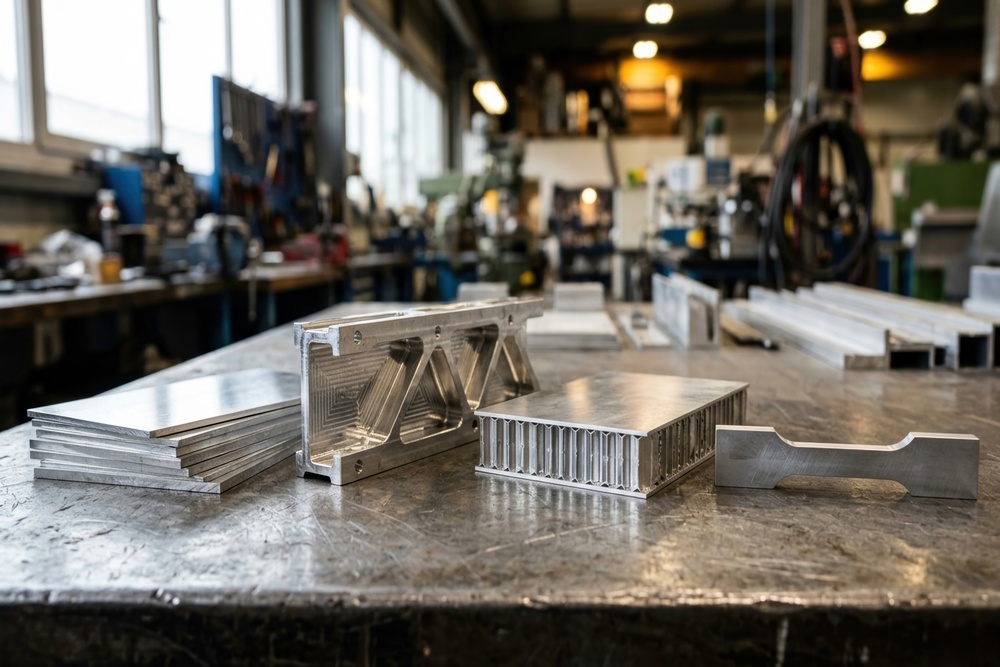
When talking about making airplanes lighter, there are numerous things that should be considered. The materials used in the construction of the wing, the fuselage and cabin should all be taken into account, but so should the core used in the panels themselves. Often honeycomb cores are not thought of when discussing aircraft weight issues since a lot of attention is paid to carbon fiber skins and advanced metals. However, it is important to note that honeycomb core can make a huge difference to the weight and performance of a panel. Below are the reasons why honeycomb cores should be included in the discussion.
Sandwich Panels
Honeycomb sandwich panels can help reduce aircraft weight, according to the experts at Axiom Materials, one of the best honeycomb core suppliers in the USA. A sandwich panel consists of two thin skins bonded to each other with the lightweight core in between. The core separates the two skins, making the panel stiffer without increasing its weight greatly. In fact, doubling the thickness of a honeycomb core panel makes it several times stiffer with minimal weight added. Ideal for floors, ceilings, sidewalls and galleys.
Nomex Honeycomb
Despite the variety of materials used in honeycomb core, one of the popular types of honeycomb core in aircraft interior is Nomex honeycomb. It is made from aramid paper soaked in phenolic resin giving it great strength and making it fire-resistant and non-corrosive.
Read More: Why Starting Early Can Make a Bigger Difference Than Investing More
Not interfering with the radar signals, this material is widely used in radomes. This core can be applied in most interior parts, except for the areas with high local loading.
Aluminum Honeycomb
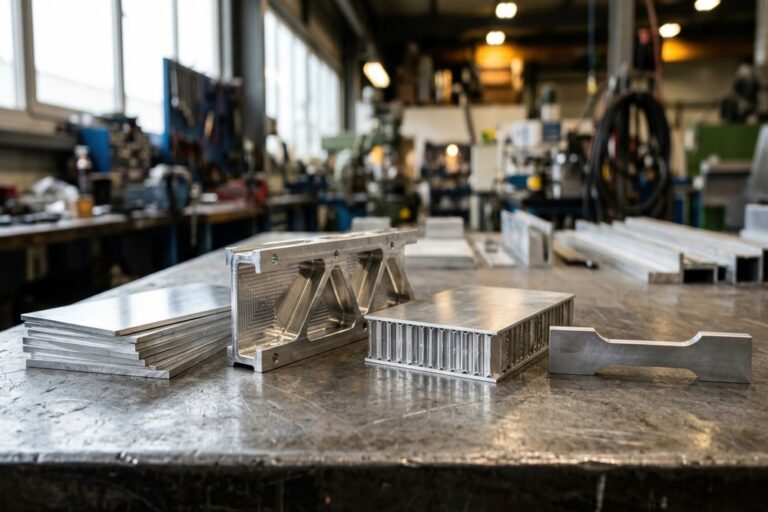
The material with one of the most efficient cores is aluminum honeycomb. It has many characteristics that make it so strong. Perhaps it is the balance between its strength and weight, its ability to withstand high temperatures, or its energy absorption capabilities in the event of an impact. For a long time, it has been used in the aerospace industry. The primary drawback is that it must be moisture-resistant due to the potential for corrosion.
Cell Size and Density
This recent advancement has enabled a broad variety of cell sizes and densities to be available for the honeycomb core. This enables choosing the most suitable option according to how the panel is used. Higher density and smaller cell sizes provide strength but also increase weight, whereas lower density and larger cell sizes result in lighter panels but cannot carry much load. Choosing the right cell size and density guarantees that each panel is neither too light nor overly strong. This is especially important in the case of large cabin panels.
Bonding and Repair
The quality of the bond between the honeycomb core and the skins determines the efficiency of the panel. Bonding of skins to the core is usually achieved with film adhesives, which form a reliable bond. However, failure of the bond leads to skins separating from the core, reducing the strength of the panel. The damaged panels can be fixed, but it is important to protect them from moisture penetration, which can damage them over time. Regular inspection helps detect any failures at an early stage.
Conclusion
There are many things to take into account when it comes to making the airplane lighter. Thanks to honeycomb cores, it is possible to produce stiff, strong, and very light panels. However, it is almost inevitable that the designer will have to use various types of cores for different parts of the aircraft. The interior parts usually require Nomex honeycomb core, while structures and high-temperature areas might need aluminum core. The right choice of core, cell size and adhesive will make sure that each panel works perfectly as intended.
Read More: Fixed-rate home loans in Tempe: evaluating your mortgage lending options






+ There are no comments
Add yours